Mutual Aid
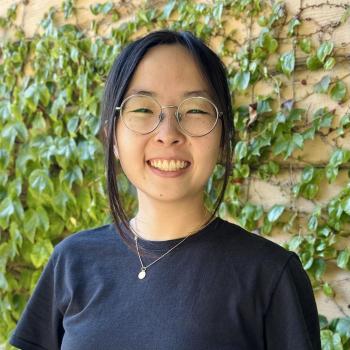
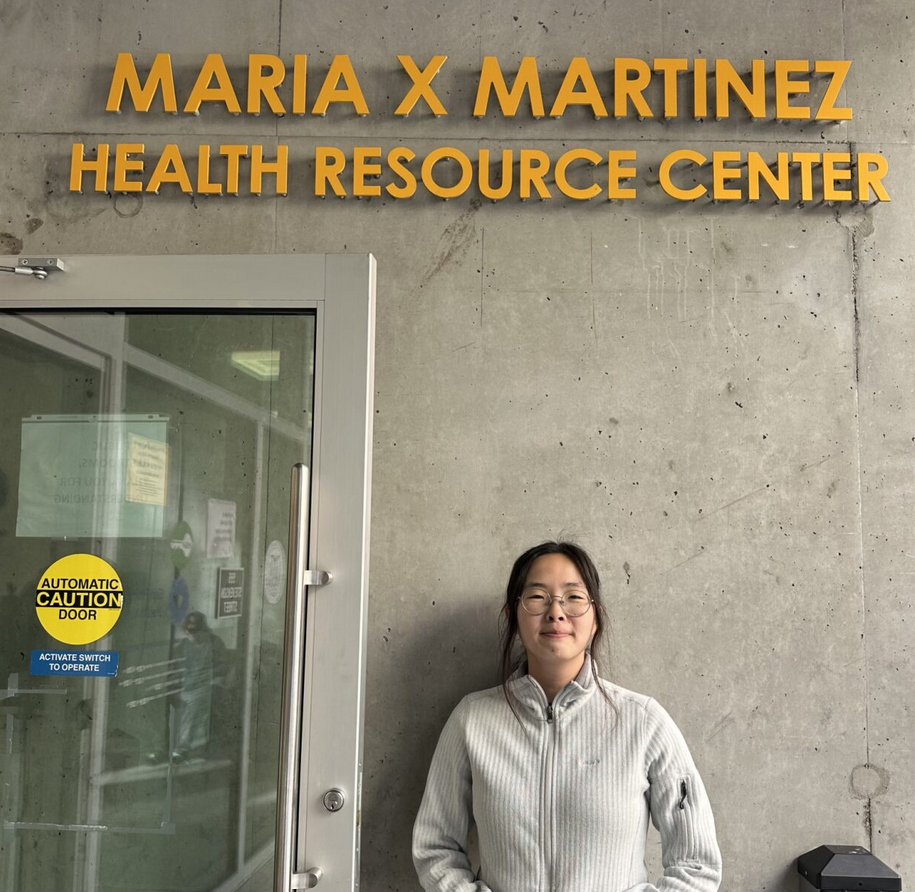
My name is Tammy, and I am the Street Medicine and Palliative Health Patient Navigator for the 2025-2026 Service Term. I am interested in working in public health as a physician, and have been especially interested in the street medicine model of, quite literally, meeting people where they’re at to increase healthcare access. I used to volunteer with a street psychiatry team and a shelter art program in Los Angeles’s Skid Row, and am super excited to have the opportunity to explore street medicine even more through San Francisco’s Department of Public Health. I am stationed at Whole Person Integrated Care (WPIC), a section of the Department of Public Health that serves people experiencing homelessness. Focusing on patients experiencing homelessness is critical because people who are chronically unhoused often develop severe and chronic illnesses.
Palliative care is an extra layer of support—whether it’s medical, social work, and/or spiritual—for these patients who have serious chronic illnesses. An analogy might be to think of a nephrology team. The goal of the nephrology team is to support the patient with their kidney-related health. Similarly, the goal of the palliative team is to support the patient with their quality of life, in the way that the patient defines for themselves; chronic pain management is a good example of a quality of life issue. Because the scope of palliative care can be so broad, I recommend watching this UCTV lecture on palliative care if you want to learn more, but in a nutshell: palliative care has been shown to be incredibly beneficial. The extra layer of support that palliative care provides not only increases quality of life, but has also proven to prolong life.
There is a strong need for palliative care access in the unhoused population, but, unfortunately, these patients are also the ones who struggle greatly with accessing traditional palliative programs. To help address this need, WPIC has its own in-house Palliative care team. We are a diverse team of professionals made up of providers, social workers, health workers, and nurses who integrate palliative care into our street medicine work. I mainly support the team by managing our database of clients for both informational and data-collection purposes and serving as a Patient Navigator to accompany our clients to their appointments.
Through my time with the palliative team so far, I’ve experienced so much of the spirit of mutual aid. My work is not only made easier, but also made brighter for it. A bus driver worked past their shift change to make sure my client and I got to our hospital appointment smoothly. A person who was living on the street went out of their way to patiently teach me the directions to a nearby building I was struggling to find. A passing parent with their children stood up for me when she thought I was being harassed. Another client, who’d been quite irritable because of a bad morning, leapt forward to catch a stroller that was rolling away on the bus, and gave the baby a gentle smile. Moments like these have been my favorite part of being a public servant. The kindness I experience inspires me to stay mindful of the opportunities I have to practice kindness.
About the Author